

October 2021
Early Life on Earth
Fossilized cell remnants in 3.4 billion-year-old bedrock are from primitive microbes.

October 2021
Pumping Above Their Weight
Frog hoppers piercing plants with their mouthparts produce negative pressures exceeding a megapascal.
October 2021
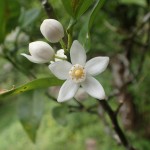
Origin of Mandarin Oranges
An Okinawa citrus species arose two million years ago when the Ryukyu archipelago disconnected from Asia.

October 2021
An Exomoon in the Making
Astronomers have detected a disk around a planet outside our Solar System for the first time.

October 2021
Lighten Up
The size of dragonfly males’ dark wing patches foreshadows their response to climate change.
February 2020
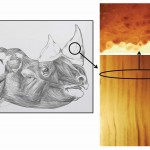
Recipe for Rhino Horn
February 2020
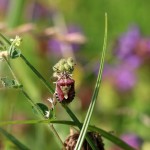
Bug Loss

February 2020
Turning Brain Evolution on its Head
February 2020
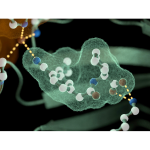
Chemical Holds Water

February 2020
Disease-carrying Ice Floats

February 2020